

Is all-wheel drive offered on the 2026 Outlander Sport or the 2026 Trax for Sewell, NJ drivers?
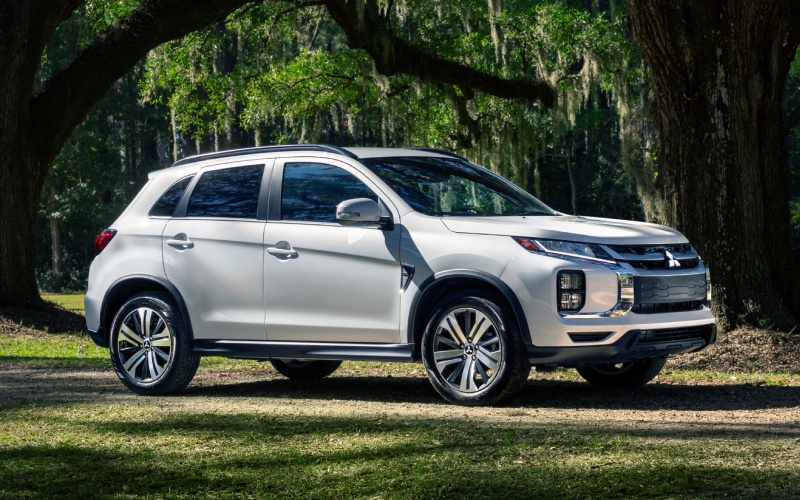
Matt Blatt Mitsubishi – Is all-wheel drive offered on the 2026 Outlander Sport or the 2026 Trax for Sewell, NJ drivers?
The 2026 Mitsubishi Outlander Sport includes All-Wheel Control (AWC) across the lineup, while the 2026 Chevrolet Trax is front-wheel drive only.
Why that difference matters around Sewell, NJ
The roads connecting neighborhoods, shopping, and parks around Sewell mix smooth stretches with patched sections, paint striping, and shaded areas that stay damp longer. In those in-between conditions—light rain, wet leaves, or a quick freeze-thaw—drivetrain and chassis tuning make a meaningful difference. Standard AWC on the Outlander Sport continually optimizes power delivery to all four wheels, helping reduce wheelspin and steady the vehicle as traction changes. The Trax’s front-wheel-drive setup is efficient and easy-going for fair-weather commuting, but when the surface turns unpredictable, you get more leeway and less drama with four driven wheels.
How Mitsubishi’s AWC helps in real life
All-Wheel Control isn’t just about sending power to the rear when the front starts to slip. It integrates with the Outlander Sport’s steering, braking, and traction systems to smooth responses and keep you feeling connected. On a damp morning, you’ll notice calmer launches from stop signs, steadier corner exits, and more controlled braking transitions as the system balances forces at each wheel. Pair that with the Outlander Sport’s multi-link rear suspension and 8.5 inches of ground clearance, and you have an SUV that’s genuinely prepared for errand runs, school drop-off, and county-park trailheads without second guessing the forecast.
What the Trax brings to the table
The 2026 Chevrolet Trax counters with a turbocharged ECOTEC 1.2L engine that delivers cheerful city pace, standard Chevy Safety Assist for core driver aids, and available tech like an 11-inch center display, wireless Apple CarPlay® and Android Auto. If your driving is almost exclusively dry, flat, and urban, the FWD-only layout can be perfectly adequate. However, for many Sewell-area drivers who split time between local roads and faster-moving corridors, having drive to all four corners is that extra layer of confidence you feel immediately when conditions change mid-commute.
Key takeaways for AWD vs FWD
- Traction on variable surfaces: AWC helps the Outlander Sport keep momentum when pavement is slick or uneven.
- Stability on corner exit: With all four wheels engaged, the Mitsubishi settles sooner and feels more composed.
- Ground clearance advantage: The Outlander Sport’s 8.5 inches create margin for ruts, residual slush, and high-crowned side streets.
Chassis and braking differences
Underneath, the Outlander Sport’s multi-link rear suspension does more than sound technical—it allows each rear wheel to react more independently to bumps and patchwork pavement. That translates into better tire contact and comfort, particularly when the road ripples under throttle or mid-corner. Mitsubishi also equips the Outlander Sport with substantial brakes and 4-channel ABS with Electronic Brakeforce Distribution and Brake Assist. The Trax’s torsion-beam rear is tuned for simplicity, packaging, and cost, which works for city-grid driving but can’t isolate left-right disturbances as effectively when speeds rise or the surface breaks up.
Driver-assistance and visibility
Both SUVs package the driver aids most commuters want. The Trax includes Automatic Emergency Braking, Front Pedestrian Braking, Lane Keep Assist with Lane Departure Warning, Following Distance Indicator, and IntelliBeam high beam assist. The Outlander Sport matches up with Forward Collision Mitigation with Pedestrian Detection, Lane Departure Warning, Automatic High Beam, and a Rear Seat Alert. Where Mitsubishi really leans into daily usability is visibility: standard LED low and high beams, standard heated power side mirrors, and rain-sensing wipers that automatically step in the moment mist turns to steady rain. Less fiddling, more focus.
Ownership confidence beyond the spec sheet
Mitsubishi backs the Outlander Sport with America’s Best-Backed Vehicles, featuring a 10-Year/100,000-Mile Powertrain Limited Warranty plus roadside assistance. That’s a powerful value story for anyone planning to keep an SUV for the long haul, commute year-round, and rack up miles between school, work, and weekend runs. The Trax carries mainstream coverage, but if you’re cross-shopping with long-term peace of mind in mind, the difference is clear.
Frequently Asked Questions:
Is every 2026 Outlander Sport all-wheel drive?
All-Wheel Control (AWC) is standard across the 2026 Outlander Sport lineup.
Does the 2026 Trax offer any all-wheel drive option?
No. The 2026 Chevrolet Trax is front-wheel drive only.
Will I notice AWC in normal driving?
Yes—especially at low-speed launches on damp roads, on painted surfaces when it’s wet, and when transitioning from smooth asphalt to patched or gritty sections.
Which SUV is better for mixed suburban and county-road driving?
The Outlander Sport’s AWC, ground clearance, and suspension tuning give it a broader capability envelope for the mixed driving typical around Sewell and nearby towns.
Putting it together for Sewell drivers
If you’re deciding between the 2026 Outlander Sport and the 2026 Trax and you care about confidence in the in-between moments—quick weather flips, shaded damp patches, gravel shoulders—the Outlander Sport’s standard AWC and chassis tuning tip the scales. You still get the connectivity and comfort features modern drivers expect, with a more prepared foundation when the road stops behaving. At Matt Blatt Mitsubishi, serving Sicklerville, Williamstown, and Sewell, we can help you test how that difference feels on the local roads you drive every day.
Request more 2026 Mitsubishi Outlander Sport information
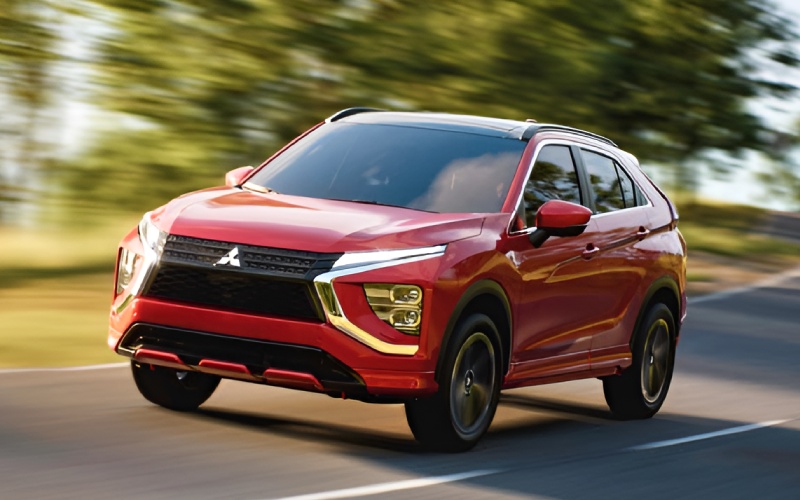
Matt Blatt Mitsubishi – Which AWD performs better for everyday drives around Sewell, NJ — S-AWC on the 2026 Eclipse Cross or AWD on the 2026 Corolla Cross?
When shoppers in Sewell, NJ compare the 2026 Mitsubishi Eclipse Cross and the 2026 Toyota Corolla Cross, one question rises above the rest: which all-wheel-drive system inspires more confidence in day-to-day driving? It’s a fair question. Our region mixes low-speed neighborhood streets, uneven or patched surfaces, and busy ramps onto NJ-55, plus wet leaves and rain-slicked mornings that can test traction as you roll from one errand to another.
The Eclipse Cross brings Super-All Wheel Control (S-AWC) as standard on every trim. That’s a big deal, because you’re getting coordinated traction management on day one—no special package or grade required. S-AWC integrates traction, braking, and yaw control to help the vehicle track where you point it, then layers in selectable Auto, Snow, and Gravel modes so you can tailor its behavior to conditions. The 2026 Corolla Cross offers available AWD on gas models and standard Electronic On-Demand AWD on hybrid models. It’s responsive and helpful, but it doesn’t add the same level of integrated control logic or dedicated Snow/Gravel modes you’ll find in the Mitsubishi.
What S-AWC does differently
S-AWC constantly evaluates wheel speed, steering input, and yaw to fine-tune how torque and braking are applied. In plain language, it aims to give you a stable, confident line through a corner and more poised launches on slick surfaces. On a damp morning heading from a residential lane to a faster arterial near Sewell, that poise helps reduce drama—fewer scrabbles, steadier steering, and calm progress even when traction changes under load.
- Selectable modes: Auto, Snow, and Gravel settings help the Eclipse Cross adapt to wet pavement, loose surfaces, and light off-pavement situations like unpaved parking lots.
- Integrated control: Active Yaw Control works with stability and traction systems for more faithful responses to your steering input.
- Every-trim coverage: Because S-AWC is standard, you don’t have to shop for a specific grade to get the full benefit.
By contrast, Corolla Cross AWD is designed to engage when the system detects slip or anticipates a need for rear-axle assistance. It’s friendly and predictable, especially in the hybrid where the rear axle is powered by an electric motor. For many drivers, that will be adequate. But if your daily pattern includes frequent surface changes, tight uphill turns, or quick merges on short on-ramps, the added precision and selectable modes in the Eclipse Cross can translate into fewer corrections and an overall calmer drive.
Real-world scenarios around Sewell, NJ
Picture a weekday loop that includes neighborhood streets with scattered gravel, a left turn onto a busier two-lane, and then a brief blast to merge with NJ-55 traffic. With S-AWC in Auto, the Eclipse Cross simply feels settled—modulating traction to keep the nose pointed where you want it. On a rainy day, toggling to Snow helps dull abrupt wheelspin as you cross painted lines or manhole covers. Pull into a packed, unpaved lot at a youth sports complex? Gravel mode lends more predictable throttle and torque distribution, reducing wheel chatter as you park or inch out of a rut.
The Corolla Cross AWD counters with solid composure, and Toyota Safety Sense 3.0 layers in driver-assistance support. But without dedicated Snow/Gravel modes or the same integrated control philosophy as S-AWC, it’s more reactive than proactive in mixed-surface transitions. If you’re particular about steering feel and stability right at turn-in, the Eclipse Cross often feels more reassuring, especially at the lower speeds where most daily driving actually happens.
Traction is only part of the story
Confidence is holistic. The Eclipse Cross backs S-AWC with available features that smooth the edges of everyday driving. The available Multi-View Camera System makes tight parking more transparent, and the available Handsfree Power Tailgate makes quick work of cargo when your hands are full. Mitsubishi Connect with Safeguard And Remote Services (enrollment required) offers a 24-month trial for added peace of mind. Wireless Apple CarPlay and Android Auto are available to keep you connected without extra cords cluttering the console.
- Parking assurance: Available Multi-View Camera System offers an overhead perspective for crowded lots and parallel spots.
- Everyday ease: Available Handsfree Power Tailgate simplifies loading while you manage kids, gear, or groceries.
- Connected support: Mitsubishi Connect with Safeguard And Remote Services includes a 24-month trial for remote and emergency features.
Toyota brings its own strengths, including the intuitive Toyota Audio Multimedia system and the breadth of Toyota Safety Sense 3.0. Both SUVs offer wireless Apple CarPlay and Android Auto. But if we’re comparing traction plus useful visibility tech that helps before any wheelspin happens, the Eclipse Cross stacks the deck in your favor.
Test-drive tips to feel the difference
We recommend a short route that mimics your commute—slower side streets, a quick merge, a U-turn, and parking. In the Eclipse Cross, toggle Snow and Gravel for a block or two to feel how throttle response and traction settle the vehicle. Do the same loop in the Corolla Cross and pay attention to how the rear axle engages and whether you need extra steering corrections through the first moments of a turn.
- Start on a quiet street: Note initial traction from a stop and steering stability on damp or uneven patches.
- Practice a quick merge: Feel how confidently each SUV builds speed and holds line under throttle.
- Finish with a tight park: Try backing into a space—compare Eclipse Cross’s available Multi-View Camera System with the Toyota’s camera clarity and guidance.
Frequently Asked Questions:
Is S-AWC standard on every 2026 Mitsubishi Eclipse Cross?
Yes. Super-All Wheel Control is standard on every Eclipse Cross trim, so you don’t need to upgrade to get full-time traction and selectable drive modes.
Does the 2026 Toyota Corolla Cross offer a drive mode for snow or gravel?
Corolla Cross AWD is capable and responsive, but it does not include the dedicated Snow or Gravel modes you’ll find with S-AWC on the Eclipse Cross.
Can both SUVs tow a small utility trailer?
Yes. Properly equipped, both the Eclipse Cross and Corolla Cross are rated to tow up to 1,500 pounds, which covers many small trailers and hitch-mounted accessories.
Which SUV feels more settled on mixed surfaces at low speeds?
While both are composed, the Eclipse Cross often feels more planted thanks to S-AWC’s integrated control and selectable modes, especially when surfaces change mid-corner or during slow, tight maneuvers.
At Matt Blatt Mitsubishi—serving Sicklerville, Williamstown, and Sewell—we focus on how each system behaves where you actually drive. If you want an AWD approach that’s proactive, customizable, and standard, the 2026 Eclipse Cross is the clear pick. Bring your typical route, and we’ll help you feel the difference in one visit.
Request more 2026 Mitsubishi Eclipse Cross information
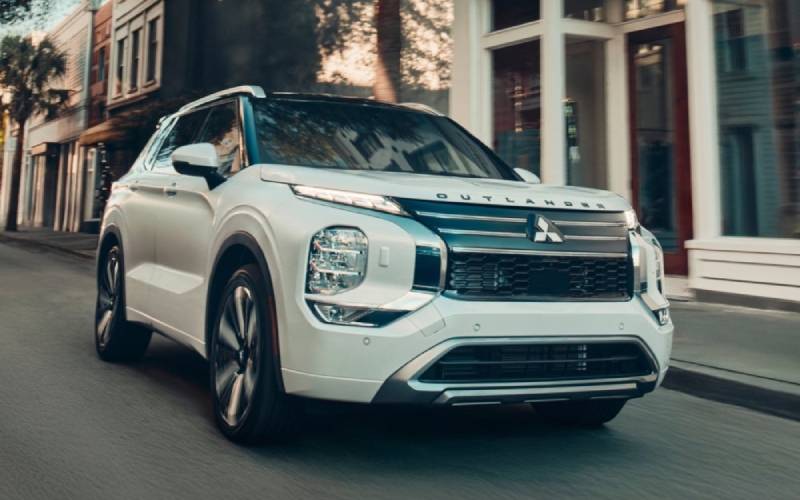
Matt Blatt Mitsubishi – Which SUV offers more real-world cargo and seating versatility — 2026 Mitsubishi Outlander or 2026 Toyota RAV4 — for families near Williamstown, NJ?
When families ask which SUV delivers more usable space and smarter seating for their everyday routes, the comparison often centers on the 2026 Mitsubishi Outlander and the 2026 Toyota RAV4. Both are proven performers, but if your checklist includes actual seating flexibility for kids, car seats, and gear, their interiors take very different approaches. This deep-dive tackles a simple, common question—how much practical room do you get to work with, and how easily can you configure it when plans change an hour before school pickup?
We’ll cover seat layout, access, third-row realities, cargo loading, and the small-but-critical touches—like split-folding seatbacks and power liftgate functions—that make busy days easier. We’ll also outline which features are standard or available so you can plan your build with purpose rather than guesswork. Our goal is to help you feel confident before you schedule a test drive or set foot in a showroom.
Seat count and layout: where the Outlander pulls ahead
The Outlander’s trump card is standard three-row capacity. With seating for up to seven, you’re not stuck calling a second car when a neighbor’s kid needs a ride, or when a grandparent wants to join for dinner in town. The second row uses a 40:20:40 split, so you can keep two outboard seats up while folding the center to slide a skateboard, lacrosse sticks, or a long box from a hardware run. The RAV4, in contrast, is a two-row SUV across the lineup. It can carry five comfortably, but if you frequently juggle more than four passengers or need a slim pass-through for long items while keeping two second-row seats usable, you’ll notice the difference the first busy week you own it.
Beyond seat count, the Outlander’s second-row design pays dividends for car-seat families. The center section folds independently, which can simplify installing one or two child seats without fully sacrificing cargo flexibility. If your days bounce between school, childcare, and practice fields, this level of modularity is more than a convenience—it helps keep the cabin organized and your routines steady.
Cargo access: small features, big difference
Both SUVs offer an available power liftgate, and both are easy enough to load for grocery runs or team equipment. Where the Outlander nudges ahead is in its available kick-motion sensor—when your hands are full of backpacks or coolers, a simple foot motion opens the liftgate. Toyota’s RAV4 lineup offers a height-adjustable liftgate on select trims, which is helpful in garages, though availability of full hands-free access varies by package and trim.
Inside the Outlander, the standard third row folds flat, and the 40:20:40 second row folds in multiple combinations. That’s particularly handy when you want to carry four passengers but still need to slide in a box fan, folding table, or fishing rods along the center without tilting them diagonally. RAV4’s 60/40 split is useful—and among two-row SUVs it’s one of the more flexible setups—but the lack of a third row eliminates the “bring one more” option that ends up mattering in real life.
Tech that supports families, not just entertains them
Both models integrate smartphones easily. The Outlander makes wireless Apple CarPlay® and Android Auto™ standard, and offers a 12.3-inch Smartphone-link Display Audio with Navigation. RAV4 also supports wireless smartphone connections with Toyota Audio Multimedia and a digital gauge cluster. Where the Outlander stands out is in the optional Dynamic Sound Yamaha® systems. The Premium setup sounds excellent; the Ultimate configuration layers in dual amplifiers and adaptive volume—including speed-, rain-, and A/C-compensated volume—so podcasts, turn-by-turn directions, or your favorite playlist stay clear during the stop-and-go rhythm of after-school errands.
Driver assistance is strong in both. The Outlander’s available MI-PILOT Assist with Navi-link offers Adaptive Cruise Control with Stop & Go and Lane Keep Assist that can help lighten the load on longer drives or congested stretches. RAV4 counters with Toyota Safety Sense 4.0 and available Traffic Jam Assist. If you parallel park near downtown shops or school fields, the Outlander’s available 360-degree Multi-View Camera System is a practical ally; RAV4 offers a comparable panoramic camera system on select trims.
How about towing and weekend utility?
If towing larger recreational gear is a priority, the RAV4 can be configured to handle more weight. The Outlander, however, makes everyday utility simple and confidence-inspiring with standard Trailer Stability Assist, steady steering, and suspension tuning that keeps passengers comfortable while you haul a small trailer, bikes, or event gear.
Real-life scenarios: how seating and cargo work day to day
Consider a few quick examples that mirror the questions we hear most often:
- You need to pick up two kids plus a teammate after practice, and there’s a bag of training cones that won’t fit in the trunk. Outlander: flip the center section down, seat four across two rows, and stash the cones through the middle. RAV4: still comfortable for four, but no pass-through if both outboard seats are occupied.
- Relatives drop by and decide to join dinner last-minute. Outlander: raise the third row and go. RAV4: someone calls for a second car.
- Grocery plus big-box store run on a rainy night. Outlander: available kick-motion liftgate opens with your hands full; the fold-flat third row expands cargo instantly. RAV4: power liftgate helps, but hands-free access depends on trim and package selection.
Frequently Asked Questions:
Does the Outlander’s third row work for adults or just kids?
The third row is best for kids or shorter trips for adults. The benefit is flexibility—having those extra seats on board means you can say “yes” when plans change without reworking the day.
Is the Outlander’s 40:20:40 second-row split really that useful?
Yes. The independent center section creates a slim pass-through for long items while keeping two comfortable outboard seats. You’ll use it more often than you think for strollers, sticks, trim boards, or fishing poles.
What about camera systems for city parking?
Outlander offers a 360-degree Multi-View Camera System that stitches an overhead image for tight spots. RAV4 offers a similar panoramic camera on select trims. Both help reduce curb rash and make parallel parking less stressful.
The bottom line for families near Williamstown
If your days require the ability to carry six or seven people on short notice—or if you constantly juggle people and gear—the Outlander’s standard third row and 40:20:40 second-row split create a level of flexibility a two-row SUV can’t replicate. RAV4 remains a strong two-row choice, but it simply can’t add seats when you need them. For most family scenarios, that advantage proves decisive over time.
When you’re ready to explore trims and features, our team can help you prioritize the must-haves—whether that’s the 360-degree camera, available S-AWC, or the Dynamic Sound Yamaha® system—so your build aligns with your routines. One test drive is typically all it takes to feel how the Outlander’s packaging makes busy days easier. Matt Blatt Mitsubishi is serving Sicklerville, Williamstown, and Sewell with friendly guidance and deep product knowledge—so you can make a confident choice for your family’s next SUV.
Request more 2026 Mitsubishi Outlander information
Mitsubishi Connect and Confidence Tech in the 2026 Eclipse Cross for Philadelphia, PA Drivers
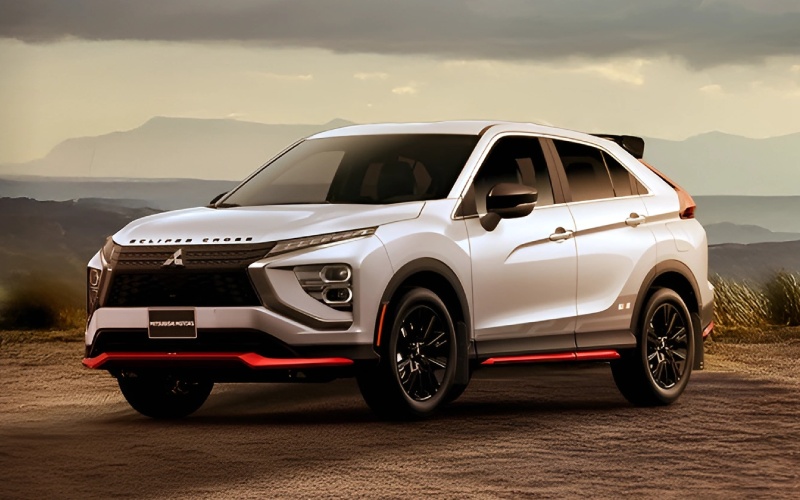
Matt Blatt Mitsubishi – Mitsubishi Connect and Confidence Tech in the 2026 Eclipse Cross for Philadelphia, PA Drivers
The 2026 Mitsubishi Eclipse Cross stands out because it wraps everyday practicality in smart technology that feels like it was engineered for urban and suburban rhythm. For Philadelphia, PA drivers who split time between Center City congestion and quick sprints along I-95 or the Schuylkill, the Eclipse Cross delivers a calm, connected drive that puts the right information on hand and helpful driver-assistance features at the forefront. Think seamless smartphone integration on upper trims, intuitive controls, and safety systems that provide the kind of confidence you appreciate most when traffic compresses or a lane suddenly ends.
At the heart of its digital convenience is Mitsubishi Connect with Safeguard And Remote Services And 24-Month Trial (Enrollment Required) on SE S-AWC and above. With compatible services, you can remotely lock or unlock, locate your vehicle, and tap into emergency assistance when needed. It complements the user-friendly touchscreen with available Apple CarPlay and Android Auto, making it simple to queue up navigation, music, and hands-free calls even when your schedule shifts on the fly. That’s the practical tech foundation many commuters prefer—quick to learn, easy to trust.
What Mitsubishi Connect Means for Your Day
Mitsubishi Connect services are designed to eliminate friction from busy lives. Remote commands can reduce those “Did I lock the car?” moments. The system supports compatible SOS and emergency features, adding peace of mind whether you’re parked in a high-rise garage or meeting friends across the river. For families, connected services create a single, simple way to check in and stay organized without overcomplicating the cabin experience.
On the driver-assistance front, the Eclipse Cross lineup includes standard Forward Collision Mitigation (FCM) with Pedestrian Detection and Lane Departure Warning (LDW), with available Blind Spot Warning (BSW) with Lane Change Assist (LCA) and Rear Cross Traffic Alert (RCTA) on SE S-AWC and above. These features are tuned to quietly assist, not overwhelm, which matters when street flow changes quickly around South Street, Spring Garden, or Columbus Boulevard. The goal is to add a smart safety net that feels natural as conditions evolve.
S-AWC: Confidence You Can Feel
Every trim features Super-All Wheel Control (S-AWC), Mitsubishi’s integrated vehicle dynamics control. It coordinates power and braking at each wheel to help keep the SUV settled and composed. On rainy days, after-work detours, or uneven neighborhood streets, the difference shows up as smoother traction off the line and a confident posture in corners. It is the kind of all-weather, all-surface reassurance that makes driving less stressful and more consistent, especially when your route is unpredictable.
Pair S-AWC with the Eclipse Cross’s refined 1.5-liter turbocharged engine and CVT, and you get a steady, composed drive that suits the stop-and-go reality of daily commuting. The chassis is tuned for comfort, and sound levels are well managed at highway speeds—two qualities that reduce fatigue when your day runs long.
Practical Features That Just Make Sense
SE S-AWC and above make life easier with amenities like an 8-way power adjustable driver seat, LED headlights, and an available Handsfree Power Tailgate on select trims. The latter is especially helpful when juggling gym bags, groceries, or strollers—one gentle motion, and the liftgate opens. Inside, the layout is clean and functional, with quick-fold rear seats that help you carry weekend gear without removing daily necessities.
- Handsfree convenience: Available tailgate access when your hands are full
- Multi-angle visibility: Available Multi-View Camera System on upper trims
- Smart connectivity: Mitsubishi Connect services and app-based control
- Everyday safety: Standard FCM with Pedestrian Detection and LDW
- Composed traction: Standard S-AWC across the lineup
Because the Eclipse Cross balances core needs—safety, comfort, and connection—it becomes an easy choice for households that share the wheel. The cabin is sized right for city parking, without giving up rear-seat space or cargo access. And since features are sensibly distributed by trim, you can step into an SE S-AWC for the sweet spot of convenience tech and driver-assistance coverage or consider SEL S-AWC for leather-appointed seating, a heated steering wheel, and the available Multi-View Camera System.
Real-World Scenarios in and Around Philly
Morning drop-off near school? Standard FCM adds confidence for the unexpected, while LDW helps keep things tidy on narrow streets lined with parked cars. Weekend errands along Roosevelt Boulevard or a quick cross-town jog to an event? The calm ride makes conversation and playlists easier to enjoy. And if you like to step out of the city on weekends, S-AWC’s surefooted feel turns unfamiliar roads into controlled, predictable drives that reduce stress and keep the pace smooth.
If your garage strategy involves one SUV that simply “does it all,” the Eclipse Cross belongs on your short list. Its safety, traction, and connectivity are engineered for the way people actually drive, not just how features look on a spec sheet. It is quietly competent, which is exactly what most commuters want on weekdays and what many families prefer on weekends.
Frequently Asked Questions:
Is Mitsubishi Connect standard on every Eclipse Cross?
Mitsubishi Connect with Safeguard And Remote Services And 24-Month Trial (Enrollment Required) is included on SE S-AWC and above. It is not on the base ES S-AWC.
Does S-AWC require driver input to work?
No. S-AWC operates in the background to help manage traction and stability. You simply drive normally and feel the added composure.
Which trims include a Handsfree Power Tailgate?
Handsfree Power Tailgate is available on SE S-AWC and standard on SEL S-AWC and SEL Touring S-AWC.
Do I need to use the touchscreen for everything?
No. Core controls are straightforward, and the system supports Apple CarPlay and Android Auto on upper trims for quick access to familiar apps.
If you are mapping out a smart upgrade strategy and want a coaching session that is short, clear, and customized for your drive, our team at Matt Blatt Mitsubishi is here to help—serving Sewell, Philadelphia, and Cherry Hill with tools, walk-throughs, and test-drive routes that reflect real commuting patterns. You get practical advice, side-by-side trim comparisons, and help setting up key features so your first day on the road feels natural from the start.
Request more 2026 Mitsubishi Eclipse Cross information
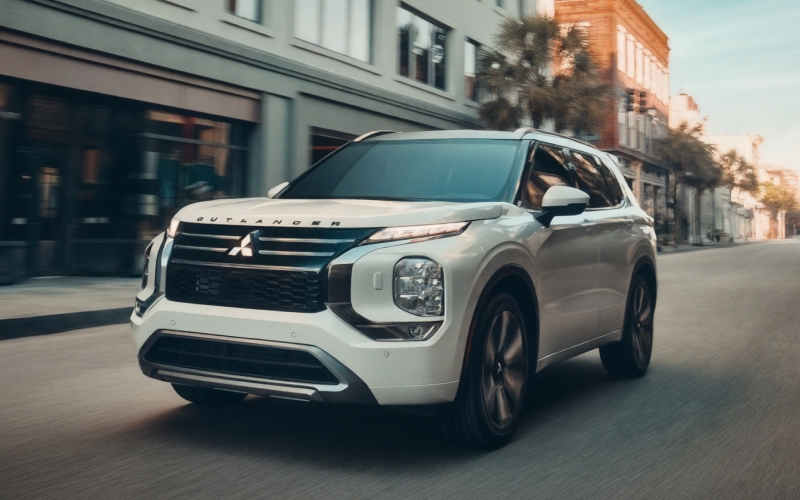
Matt Blatt Mitsubishi – Mitsubishi vs Toyota for flexible family SUV ownership in Glassboro, NJ
Shopping for a practical SUV in Glassboro often means comparing Mitsubishi and Toyota. Both brands have strong reputations, both offer efficient crossovers, and both make sense for drivers balancing weekday errands, school drop-offs, work commutes, and weekend plans across South Jersey. The difference comes down to what kind of ownership experience you want. Toyota is a familiar choice with a wide lineup and long-standing hybrid recognition. Mitsubishi, however, makes a very compelling case for local drivers who want confident handling, thoughtful technology, flexible SUV packaging, and long-term peace of mind backed by impressive coverage.
At Matt Blatt Mitsubishi on Delsea Drive North, we often help shoppers who are considering vehicles like the Mitsubishi Outlander, Outlander Plug-in Hybrid, Eclipse Cross, and Outlander Sport alongside Toyota options such as RAV4, Highlander, Corolla Cross, and Venza. Rather than focusing only on one model against another, it is more useful to look at the real-world ownership scenario: which brand better supports a busy Glassboro household that drives Route 55, Route 322, local Rowan University traffic, and longer trips toward Philadelphia, the shore, or nearby towns like Williamstown, Sewell, and Deptford?
Everyday SUV flexibility around Glassboro
Toyota offers one of the broadest vehicle lineups in the industry, and that variety is a real advantage for shoppers who want many body styles under one brand. Toyota crossovers tend to appeal to drivers who value familiarity, resale strength, and efficient hybrid availability. A RAV4 or Corolla Cross can be a smart fit for a commuter, while a Highlander gives families more space in a larger SUV format.
Mitsubishi takes a more focused approach, and that focus works well for many South Jersey drivers. The Mitsubishi SUV lineup is built around everyday usability, easy maneuverability, and strong feature content. The Outlander stands out because it offers three-row seating in a right-sized SUV footprint, making it useful for families who occasionally need extra seats without moving into a much larger vehicle. That matters in local driving, where parking near downtown Glassboro, navigating busy shopping centers, and fitting into a home driveway can be just as important as highway comfort.
For shoppers who do not need three rows, the Eclipse Cross and Outlander Sport provide compact SUV practicality with a confident driving feel. The Outlander Plug-in Hybrid adds another layer for drivers who want electric driving capability for local trips while keeping gas-engine flexibility for longer routes. Toyota has strong hybrid options, but Mitsubishi’s plug-in hybrid SUV experience gives many shoppers a different kind of daily convenience, especially for short commutes, local errands, and family routines that stay close to home during the week.
Confidence on local roads: Mitsubishi S-AWC vs Toyota AWD
All-wheel drive is a major consideration for Glassboro drivers, but not every AWD system feels the same. Toyota offers available all-wheel drive on many SUVs, and Toyota’s systems are designed to improve traction when conditions call for it. For many drivers, that is enough for basic confidence on wet roads, gravel driveways, and highway ramps.
Mitsubishi’s advantage is the brand’s performance-minded approach to vehicle control. Available Super All-Wheel Control (S-AWC) is more than a simple traction feature. Super All-Wheel Control (S-AWC) adds Active Yaw Control (AYC) and is designed to help manage driving and braking forces for a more composed feel in a variety of driving situations. That can be especially valuable on the mix of roads around Gloucester County — from quick merges onto Route 55 to winding back roads between Glassboro, Mullica Hill, and Washington Township.
No AWD system replaces attentive driving, but Mitsubishi’s S-AWC heritage gives the brand a distinct personality. The result is an SUV that can feel planted and responsive without becoming complicated to drive. For shoppers who want a daily vehicle that inspires confidence without feeling oversized, Mitsubishi deserves a very close look.
Ownership coverage and long-term peace of mind
Warranty coverage is one of the clearest areas where Mitsubishi shines. New Mitsubishi models are backed by the Mitsubishi Motors Confidence Integrated Care Program, which includes a 10-Year/100,000-Mile Powertrain Limited Warranty, 2-Year/30,000-Mile Limited Maintenance, and 5-Year/Unlimited-Mile Roadside Assistance. Coverage details and eligibility can vary, so our team can walk you through the specifics for the model you are considering.
Toyota also provides solid factory coverage, including ToyotaCare maintenance for a limited period and a powertrain warranty that is competitive within the mainstream market. Still, Mitsubishi’s long powertrain coverage is a standout for shoppers planning to keep an SUV for many years. If your goal is to drive the same vehicle through school years, job changes, home projects, and plenty of South Jersey mileage, that extra sense of backing can make the decision feel easier.
For used-vehicle shoppers, Mitsubishi Certified Pre-Owned options add another advantage. Every Certified Pre-Owned Mitsubishi must meet program requirements and pass a 123-point inspection by a Certified Technician. CPO shoppers also benefit from warranty coverage and Roadside Assistance tied to the program. Toyota has a respected certified program as well, but Mitsubishi CPO can be especially appealing for drivers who want used-vehicle value with brand-backed confidence.
Technology, comfort, and daily livability
Toyota interiors are known for straightforward controls and a familiar layout. Many shoppers appreciate that Toyota vehicles feel easy to understand quickly, and recent Toyota models offer modern infotainment, driver-assistance features, and hybrid-focused displays depending on trim and model.
Mitsubishi brings a strong comfort-and-feature story, especially in the Outlander. The cabin has a refined feel, available upscale materials, and smart storage solutions for family life. Available Dynamic Sound Yamaha® brings a premium listening experience to the Outlander, which can make daily driving more enjoyable whether you are commuting to campus, heading to work, or taking the family to dinner in downtown Glassboro. In a vehicle used every day, these details matter.
Mitsubishi also keeps technology approachable. Features are designed to support the drive rather than overwhelm it. Depending on model and trim, shoppers can find useful driver-assistance technology, smartphone connectivity, convenient cargo access, and available premium touches that help Mitsubishi SUVs feel more upscale than expected.
Quick comparison for South Jersey SUV shoppers
If you are comparing Mitsubishi and Toyota for family SUV ownership, these key points can help organize the decision before a test drive.
- Lineup variety: Toyota offers a wider overall range, while Mitsubishi focuses strongly on practical SUVs and crossovers.
- Flexible seating: Mitsubishi Outlander offers available three-row utility in a manageable SUV size, while Toyota often requires moving into a larger SUV for three rows.
- Driving confidence: Mitsubishi available Super All-Wheel Control (S-AWC) gives the brand a distinctive handling advantage for many local drivers.
- Ownership backing: Mitsubishi’s 10-Year/100,000-Mile Powertrain Limited Warranty is a major benefit for long-term ownership confidence.
- Electrified driving: Toyota has broad hybrid availability, while Mitsubishi Outlander Plug-in Hybrid offers plug-in capability with SUV practicality.
- Dealer experience: Matt Blatt Mitsubishi offers a customer-first process, online buying options, trade appraisal tools, and a 4-Day Love It or Leave It Return Policy.
The best choice depends on your needs, but Mitsubishi makes an especially strong case if you want a well-equipped SUV with confident road manners, strong warranty coverage, and a dealership experience built around transparency. Toyota is a strong competitor, but Mitsubishi often delivers the kind of practical ownership advantages that become more meaningful after the test drive is over.
Why shop Mitsubishi with Matt Blatt Mitsubishi in Glassboro?
Choosing the right brand is only part of the process. Choosing the right dealership matters, too. Matt Blatt Mitsubishi has served the Delaware Valley since 1989, and we are proud to support shoppers from Glassboro, Philadelphia, Sicklerville, Williamstown, Millville, and surrounding communities. Our approach is built around fair, honest communication and a pressure-free process designed to help you find a vehicle you genuinely enjoy driving.
We also make the shopping process flexible. You can browse new and pre-owned inventory, value your trade, explore financing, schedule service, or begin your purchase online. Our 4-Day Love It or Leave It Return Policy adds another level of confidence, giving you time to make sure your next Mitsubishi fits your real routine. Our factory-trained service team is here after the sale as well, with genuine Mitsubishi parts and maintenance support to help keep your vehicle performing as designed.
Frequently Asked Questions:
Is Mitsubishi better than Toyota for families in Glassboro, NJ?
Mitsubishi can be a better fit for families who want strong warranty backing, right-sized SUV flexibility, available three-row seating in the Outlander, and confident available Super All-Wheel Control (S-AWC). Toyota offers a broad lineup, but Mitsubishi gives many families an appealing mix of practicality, comfort, and ownership peace of mind.
Which brand has better warranty coverage, Mitsubishi or Toyota?
Mitsubishi stands out with the Mitsubishi Motors Confidence Integrated Care Program, including a 10-Year/100,000-Mile Powertrain Limited Warranty, 2-Year/30,000-Mile Limited Maintenance, and 5-Year/Unlimited-Mile Roadside Assistance on eligible new Mitsubishi models. Toyota coverage is solid, but Mitsubishi’s powertrain warranty is a major advantage for long-term owners.
Should I test drive Mitsubishi if I am already considering Toyota?
Yes. A test drive is the best way to compare cabin comfort, visibility, steering feel, cargo flexibility, and technology. Many shoppers who start with Toyota also find that Mitsubishi SUVs offer more confidence, feature value, and ownership support than expected. Matt Blatt Mitsubishi in Glassboro can help you compare options side by side based on your daily driving needs.
If you are weighing Mitsubishi vs Toyota for your next SUV, visit Matt Blatt Mitsubishi at 501 Delsea Dr N in Glassboro, NJ. We will help you compare features, explore trade options, review financing choices, and schedule a test drive so you can choose with confidence.
Request more information
Mitsubishi vs Hyundai for one-SUV households balancing commute, cargo, and long-term confidence near Sicklerville, NJ
Matt Blatt Mitsubishi – Mitsubishi vs Hyundai for one-SUV households balancing commute, cargo, and long-term confidence near Sicklerville, NJ
Shopping for an SUV near Sicklerville, NJ often means looking for one vehicle that can do a little bit of everything. It needs to feel comfortable on Cross Keys Road, confident merging onto Route 42, easy to park near local shopping centers, and ready for longer drives toward Philadelphia, Glassboro, or the Jersey Shore. For many South Jersey shoppers, Mitsubishi and Hyundai both land on the research list because both brands offer practical SUVs, modern technology, and strong warranty coverage. The real question is which brand fits better when one SUV has to support daily commuting, family flexibility, cargo needs, and long-term ownership confidence.
Hyundai deserves consideration. The brand has built a broad SUV lineup with familiar names such as Tucson, Santa Fe, and Palisade, along with a reputation for easy-to-use technology and contemporary design. Mitsubishi, however, makes a particularly strong case for shoppers who want a focused SUV lineup, available advanced all-wheel drive systems, flexible cabin packaging, and the backing of Mitsubishi Motors Confidence. At Matt Blatt Mitsubishi in nearby Glassboro, we also add a local ownership advantage with transparent shopping tools, online buying options, trade-in support, factory-trained service, and our 4-Day Love It or Leave It Return Policy.
How Mitsubishi and Hyundai fit everyday South Jersey driving
For daily life around Sicklerville, an SUV should feel manageable without giving up useful space. Hyundai offers several SUV sizes, which can be helpful if you want a wide range of choices. Tucson is a compact SUV, Santa Fe has grown into a more family-focused option, and Palisade serves shoppers who want a larger three-row vehicle. That range is a strength, but it can also make the decision more complicated if your needs sit between categories.
Mitsubishi keeps the decision process more straightforward. The Mitsubishi Outlander is especially appealing for shoppers who want compact SUV maneuverability with the added flexibility of three-row seating. That matters for real-world family life near Sicklerville, where an extra seat can help with school pickups, visiting relatives, youth sports, or a last-minute trip with friends. The Outlander Plug-in Hybrid adds electrified driving capability for shoppers interested in reducing gas-station stops while keeping SUV practicality. The Eclipse Cross and Outlander Sport give Mitsubishi shoppers smaller SUV options for commuting, errands, and easy daily use.
That is where Mitsubishi stands out for a one-SUV household. Instead of requiring a jump into a larger vehicle to gain more flexibility, Mitsubishi offers smart packaging in vehicles that still feel practical for South Jersey roads, parking lots, and neighborhood driving. Hyundai has appealing options, but Mitsubishi often feels especially well aligned with shoppers who want capability, comfort, and simplicity in one purchase decision.
Confidence on local roads: S-AWC and all-wheel drive considerations
All-wheel drive is an important comparison point for many shoppers near Sicklerville, even when the buying decision is not only about severe weather. Local roads can involve quick highway transitions, uneven pavement, wet leaves, construction zones, and heavy traffic near Route 42 or the Atlantic City Expressway. Hyundai offers available HTRAC All Wheel Drive on several models, and it is a useful system for drivers who want added traction confidence.
Mitsubishi brings a distinct brand identity to this topic through available Super All-Wheel Control (S-AWC). Super All-Wheel Control (S-AWC) is designed to manage driving forces and braking forces to support more confident vehicle behavior under a variety of driving conditions. It is not a substitute for careful driving, and no system can prevent every loss of traction, but the Mitsubishi approach feels especially appealing for drivers who want an SUV that responds with composure during daily driving.
For shoppers comparing brands, the difference is not just whether all-wheel drive is available. It is how each brand expresses driving confidence. Hyundai focuses on broad availability across a large lineup. Mitsubishi focuses on a more specialized engineering story, especially with S-AWC on vehicles such as the Outlander and Eclipse Cross. If your commute includes frequent lane changes, busy intersections, and mixed road surfaces, that Mitsubishi confidence can become a meaningful everyday advantage.
Interior flexibility, cargo space, and family practicality
Hyundai interiors are known for clean layouts, large displays on many trims, and a modern feel. Families considering Hyundai may appreciate the spaciousness of Santa Fe or Palisade, especially for longer drives. Mitsubishi counters with a cabin strategy that emphasizes practical flexibility and smart use of space. The Outlander, for example, offers available three-row seating in a footprint that remains easy to live with around town. For many Sicklerville-area households, that blend is more useful than simply choosing the largest SUV possible.
Mitsubishi also understands that cargo needs change throughout the week. One day may involve groceries and backpacks. Another may involve sports gear, work supplies, or luggage for a weekend trip down the Atlantic City Expressway. The ability to fold seats, adjust the cabin, and adapt quickly matters. Hyundai offers excellent family-friendly solutions in several vehicles, but Mitsubishi makes flexible utility a central part of the ownership experience, especially in the Outlander lineup.
Technology also plays a role. Mitsubishi offers modern connectivity features, available premium touches, and, on select Outlander models, Dynamic Sound Yamaha® for shoppers who value an elevated audio experience. Hyundai also offers impressive technology, but Mitsubishi brings a distinctive mix of comfort, useful features, and a cabin personality that feels premium without becoming overly complicated.
Ownership confidence: warranty, maintenance, and dealership support
Both Mitsubishi and Hyundai are known for strong warranty coverage, which is one reason shoppers often compare these two brands. Hyundai has long promoted generous warranty protection. Mitsubishi answers with Mitsubishi Motors Confidence, which includes the 10-Year/100,000-Mile Powertrain Limited Warranty for the original owner of new, retailed models purchased from an authorized Mitsubishi retailer, 2-Year/30,000-Mile Limited Maintenance on eligible 2024 and newer Mitsubishi Motors vehicles, and 5-Year/Unlimited-Mile Roadside Assistance. Coverage details, restrictions, and transfer rules apply, so our team can help review the fine print before you decide.
That combination is one of Mitsubishi’s strongest advantages. The powertrain warranty supports long-term peace of mind, the included limited maintenance helps simplify early ownership, and roadside assistance adds reassurance for daily travel. For a shopper planning to keep an SUV for many years, these benefits can make Mitsubishi feel especially compelling.
Matt Blatt Mitsubishi adds another layer of support close to Sicklerville. We have served New Jersey, Pennsylvania, and Delaware drivers since 1989, and our Glassboro location is a short drive from Sicklerville. We offer a customer-first approach, trade appraisal tools, buy 100% online options with available home delivery or curbside pickup, and factory-trained technicians for ongoing service. If you are comparing Mitsubishi vs Hyundai, the brand comparison matters, but the dealership experience matters too. Our goal is to make the process transparent, helpful, and comfortable from the first test drive through years of maintenance.
Quick comparison for in-market SUV shoppers
If you are still narrowing the decision, it helps to look at the ownership scenario rather than only comparing spec sheets. For one-SUV households near Sicklerville, these points often make the biggest difference:
- Lineup simplicity: Mitsubishi offers a focused SUV family that makes it easier to match your needs without sorting through an overly broad lineup.
- Family flexibility: The Mitsubishi Outlander offers useful three-row versatility in a right-sized SUV package.
- Driving confidence: Available Super All-Wheel Control (S-AWC) gives Mitsubishi a strong identity for composed daily driving.
- Electrified option: The Outlander Plug-in Hybrid gives shoppers a practical way to explore plug-in hybrid SUV ownership.
- Ownership backing: Mitsubishi Motors Confidence combines warranty, roadside assistance, and included limited maintenance on eligible vehicles.
- Local support: Matt Blatt Mitsubishi provides nearby shopping, financing, trade-in, and service help in Glassboro, close to Sicklerville.
Hyundai remains a strong competitor, especially for shoppers who want a very broad SUV lineup and familiar technology. Mitsubishi earns the edge for many local drivers because the brand blends flexibility, confidence, and long-term support in a way that feels especially practical for South Jersey life.
Frequently Asked Questions:
Is Mitsubishi or Hyundai better for a long-term SUV purchase near Sicklerville, NJ?
Both brands offer strong warranty coverage, but Mitsubishi is especially appealing because Mitsubishi Motors Confidence includes the 10-Year/100,000-Mile Powertrain Limited Warranty, 2-Year/30,000-Mile Limited Maintenance on eligible vehicles, and 5-Year/Unlimited-Mile Roadside Assistance. For shoppers planning to keep an SUV for years, that support is a major advantage.
Which brand is better for a one-SUV household?
Mitsubishi is a strong fit for one-SUV households because the Outlander offers flexible seating and cargo solutions in a manageable SUV size. Hyundai has several family-friendly SUVs, but Mitsubishi can deliver the versatility many families want without requiring a move into a much larger vehicle.
Can I compare Mitsubishi and Hyundai SUVs in person at Matt Blatt Mitsubishi?
Yes. Matt Blatt Mitsubishi can help you review Mitsubishi SUV options, evaluate your trade, explore financing, and schedule a test drive. Our dealership is located at 501 Delsea Dr N in Glassboro, NJ, a convenient drive from Sicklerville.
If you are comparing Mitsubishi vs Hyundai for daily commuting, family flexibility, and long-term confidence, we invite you to visit Matt Blatt Mitsubishi. We can help you explore the Mitsubishi Outlander, Outlander Plug-in Hybrid, Eclipse Cross, and Outlander Sport, then match your needs to the right SUV for life around Sicklerville and the greater Delaware Valley.
Request more information
Mitsubishi vs Subaru for long-term SUV confidence and daily driving near Williamstown, NJ
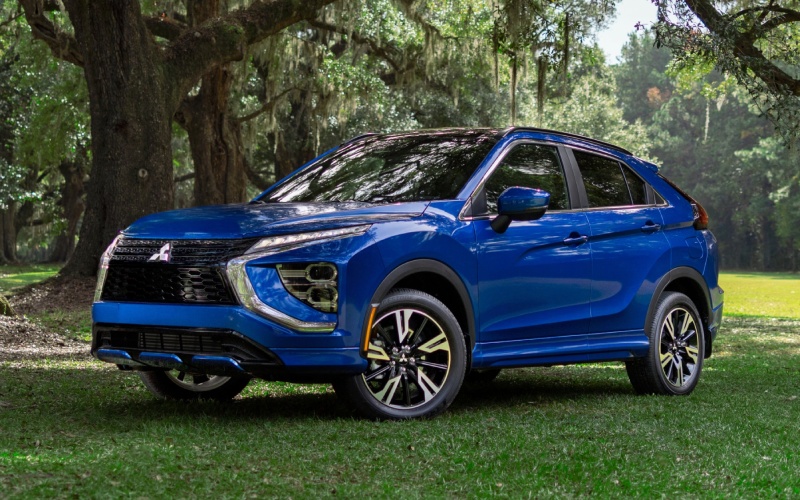
Matt Blatt Mitsubishi – Mitsubishi vs Subaru for long-term SUV confidence and daily driving near Williamstown, NJ
If you live near Williamstown, NJ and you are shopping for an SUV that can handle commuting, errands, school pickups, weekend plans, and long-term ownership, Mitsubishi and Subaru are two brands that naturally show up on the same research list. Both offer practical SUVs, available or standard all-wheel-drive capability across key models, and reputations for helping drivers feel confident in changing road and traffic conditions. The real question is not simply which brand is “better” in a general sense. It is which brand makes more sense for your everyday life around South Jersey.
For many local shoppers, that means a vehicle that feels comfortable on Route 322, the Black Horse Pike, the Atlantic City Expressway, and trips toward Philadelphia, while still being easy to live with around shopping centers, schools, neighborhoods, and family driveways. Subaru has built a loyal following with models like the Forester, Outback, Crosstrek, and Ascent, especially among shoppers who prioritize standard Symmetrical All-Wheel Drive on most models and a rugged, outdoorsy image. Mitsubishi, however, brings a compelling ownership story of its own with SUVs like the Outlander, Outlander Plug-in Hybrid, Eclipse Cross, and Outlander Sport, along with standout warranty coverage, smart technology, flexible passenger space, and the Mitsubishi Motors Confidence Integrated Care Program.
At Matt Blatt Mitsubishi in Glassboro, close to Williamstown and the wider Delaware Valley, we help shoppers compare vehicles in real-world terms instead of just reading spec sheets. Subaru is a strong competitor, but Mitsubishi stands out for drivers who want confidence, long-term peace of mind, and versatile SUV choices without feeling like the vehicle is more complicated than daily life requires.
Daily driving near Williamstown: comfort, visibility, and easy maneuvering
South Jersey driving is a mix of open roads, tight parking lots, neighborhood streets, and stop-and-go stretches. Subaru SUVs are known for good outward visibility, a planted driving feel, and useful cargo shapes, which makes them appealing for shoppers who spend a lot of time on back roads or hauling outdoor gear. A Subaru Forester or Outback, for example, can be a sensible choice for someone who wants a boxy cargo area and a familiar all-wheel-drive setup.
Mitsubishi answers that everyday-use challenge with SUVs that feel approachable, comfortable, and thoughtfully equipped. The Mitsubishi Outlander is especially attractive for families because it offers three rows in a compact SUV footprint, giving you added flexibility when a friend, grandparent, or extra child needs a ride. The Eclipse Cross brings a sleek size that works well for commuters who want SUV practicality without moving into a larger vehicle. The Outlander Sport remains a smart fit for shoppers who want a smaller SUV that is simple to park and easy to use around town.
For Williamstown-area drivers, that flexibility matters. Not every day calls for maximum cargo space, and not every buyer needs the same SUV shape. Mitsubishi gives shoppers several ways to match daily routines, from compact convenience to family-ready seating. Subaru offers a wider range of wagon-like and adventure-styled options, but Mitsubishi often feels especially well aligned with families and commuters who want confidence, comfort, and a strong ownership package in one place.
All-wheel-drive confidence: Mitsubishi S-AWC vs Subaru Symmetrical All-Wheel Drive
Subaru deserves credit for making all-wheel-drive capability a major part of its brand identity. With the exception of certain performance or specialty models, Subaru vehicles are widely associated with standard Symmetrical All-Wheel Drive, and that consistency is one of the biggest reasons shoppers consider the brand. For drivers who travel unpaved roads, head to outdoor destinations, or simply like the feel of all-wheel drive, Subaru has a clear and familiar message.
Mitsubishi takes a more technology-driven approach with systems such as Super All-Wheel Control (S-AWC) and All-Wheel Control, depending on the model. Super All-Wheel Control (S-AWC) is designed to manage driving and braking forces to help support confident handling across a variety of driving conditions. The important point for shoppers is that Mitsubishi does not treat traction as a one-note feature. The brand focuses on the full driving experience: steering response, stability, control, and confidence.
Around Williamstown, that can matter in everyday moments. Think about merging onto a busy highway ramp, turning across traffic, driving through a rain-soaked intersection, or navigating uneven pavement after a long day. Subaru’s Symmetrical All-Wheel Drive is a proven strength, but Mitsubishi’s S-AWC technology gives drivers a refined sense of control that feels especially useful in daily driving. It is not a substitute for careful driving, and no system can prevent every loss of traction or collision, but Mitsubishi’s engineering gives shoppers a strong reason to test drive the brand before assuming Subaru is the only confident choice.
Family flexibility and SUV choices
One of Mitsubishi’s strongest advantages in this comparison is how well the lineup serves different stages of ownership. A first-time SUV buyer might appreciate the maneuverable size of the Outlander Sport. A commuter may find the Eclipse Cross to be a smart balance of comfort, technology, and available capability. A growing family may prefer the Outlander because of its available three-row versatility and upscale cabin feel. Shoppers interested in electrified driving can look closely at the Outlander Plug-in Hybrid, which has earned recognition as a four-time winner of the Family Green Car of the Year™ by Green Car Journal.
Subaru also offers strong family options. The Forester is practical, the Outback blends wagon and SUV traits, the Crosstrek is easy to maneuver, and the Ascent gives larger families three-row seating. Subaru’s lineup is broad and outdoors-focused, which many buyers appreciate. Where Mitsubishi makes a particularly strong case is in giving shoppers premium-feeling features, useful passenger flexibility, and long-term confidence without making the lineup feel overwhelming.
If you are comparing both brands, these are the ownership questions worth asking yourself:
- Passenger flexibility: Mitsubishi Outlander offers three-row versatility in a manageable SUV size, while Subaru shoppers typically look to the Ascent for three rows.
- Commuter convenience: Mitsubishi Eclipse Cross and Outlander Sport are easy to live with for daily trips around Williamstown, Glassboro, Sicklerville, and Deptford.
- Electrified ownership: Mitsubishi Outlander Plug-in Hybrid gives shoppers a plug-in hybrid SUV option with real family utility.
- Adventure identity: Subaru has a strong outdoor-focused image, while Mitsubishi blends confident capability with everyday comfort and value-minded ownership benefits.
That last point is important. Subaru may appeal to shoppers who want a rugged image, but Mitsubishi often appeals to people who want a practical SUV that feels right Monday through Sunday. From daycare and grocery runs to weekend drives to the shore or a night out in Philadelphia, Mitsubishi SUVs are built around real life.
Warranty, maintenance, and long-term peace of mind
For shoppers thinking beyond the test drive, Mitsubishi has one of the clearest advantages: warranty confidence. New Mitsubishi models are backed by the Mitsubishi Motors Confidence Integrated Care Program, which includes a 10-Year/100,000-Mile Powertrain Limited Warranty, 2-Year/30,000-Mile Limited Maintenance, and 5-Year/Unlimited-Mile Roadside Assistance. Coverage details and eligibility rules apply, but the overall message is simple: Mitsubishi is serious about supporting owners long after delivery day.
Subaru also offers warranty coverage, including a new vehicle limited warranty and powertrain coverage that are competitive within the mainstream market. However, Mitsubishi’s 10-Year/100,000-Mile Powertrain Limited Warranty for the original owner is a major point of separation for shoppers who plan to keep an SUV for many years. If you are buying with long-term commuting, family use, and future service needs in mind, that added confidence can be a meaningful part of the decision.
At Matt Blatt Mitsubishi, our ownership support also extends through our factory-certified technicians, service and parts center, and a customer-first process built from more than 30 years of serving South Jersey, Pennsylvania, and Delaware drivers. We also offer a Mitsubishi Certified Pre-Owned Program for qualified pre-owned Mitsubishi vehicles, including a rigorous 123-point inspection, vehicle history report, and available warranty benefits. That matters for shoppers deciding between new and pre-owned options.
Technology, comfort, and the dealership experience
Modern SUV shoppers are not just comparing engines and cargo areas. They are also asking whether the vehicle feels good to drive every day. Mitsubishi places a strong emphasis on intuitive technology, cabin comfort, and available premium features. The Outlander, for example, offers a refined interior and available Dynamic Sound Yamaha®, an exclusive audio system designed to create a richer listening experience. For commuters heading from Williamstown to Glassboro, Cherry Hill, or Philadelphia, details like seating comfort, audio quality, smartphone-friendly technology, and a quiet cabin can make a noticeable difference.
Subaru offers practical cabins with many driver-assistance and infotainment features, and shoppers often appreciate Subaru’s straightforward interior layouts. Mitsubishi, however, brings an upscale feel in key SUVs that may surprise people who have not driven a recent Outlander or Eclipse Cross. The brand has evolved significantly, and that is why a side-by-side test drive is so valuable.
The dealership experience should also be part of the comparison. At Matt Blatt Mitsubishi, we offer tools that make shopping easier, including online buying options, trade appraisal tools, financing support through a broad network of trusted lending partners, and our 4-Day Love It or Leave It Return Policy. We want you to feel comfortable before, during, and after your purchase, because the right SUV should fit your life, not just your wish list.
Which brand is the better fit for Williamstown-area shoppers?
If you are drawn to Subaru, your reasons are likely clear: standard all-wheel-drive confidence on many models, a rugged brand image, practical cargo areas, and strong owner loyalty. Subaru is a legitimate competitor and worth considering, especially if your lifestyle leans heavily toward outdoor activities and you already know you like the brand’s driving feel.
Mitsubishi is the stronger overall choice for many local shoppers who want a confident SUV with excellent warranty support, family-focused flexibility, available advanced all-wheel-control technology, and a streamlined ownership experience. The Outlander gives growing families useful three-row capability. The Outlander Plug-in Hybrid adds electrified versatility. The Eclipse Cross and Outlander Sport give commuters and small households practical SUV options that are easy to enjoy every day. When you add Mitsubishi Motors Confidence and our local support at Matt Blatt Mitsubishi, the brand becomes especially compelling for long-term ownership near Williamstown, NJ.
The best next step is to drive both brands with your own routine in mind. Bring your questions, your cargo needs, your family seating concerns, and your commute details. We will help you compare Mitsubishi SUVs honestly and confidently so you can choose the vehicle that fits your life around Williamstown, Glassboro, and the greater Delaware Valley.
Frequently Asked Questions:
Is Mitsubishi or Subaru better for daily driving near Williamstown, NJ?
Both brands can work well for daily driving, but Mitsubishi stands out for shoppers who want warranty confidence, flexible SUV sizing, and an easy ownership experience. Subaru is known for all-wheel-drive consistency, while Mitsubishi offers a strong blend of comfort, technology, and long-term support.
Does Mitsubishi offer all-wheel drive like Subaru?
Yes. Mitsubishi offers systems such as Super All-Wheel Control (S-AWC) and All-Wheel Control on select models. Subaru is known for Symmetrical All-Wheel Drive across most of its lineup, but Mitsubishi’s S-AWC technology is designed to support confident handling and control in a variety of driving situations.
Which Mitsubishi SUV is best for families?
The Mitsubishi Outlander is a strong family choice because it offers three-row versatility in a manageable SUV footprint. The Outlander Plug-in Hybrid is also appealing for families interested in electrified driving, while the Eclipse Cross and Outlander Sport are practical options for smaller households or commuters.
Why buy from Matt Blatt Mitsubishi near Williamstown, NJ?
We have served the Delaware Valley for over 30 years and offer a transparent, customer-first shopping process. Our benefits include online buying options, trade appraisal tools, financing support, factory-certified service, and our 4-Day Love It or Leave It Return Policy.
Request more information
Which SUV offers more family flexibility near Mount Laurel, NJ – 2026 Mitsubishi Outlander vs 2026 Honda CR-V
Matt Blatt Mitsubishi – Which SUV offers more family flexibility near Mount Laurel, NJ – 2026 Mitsubishi Outlander vs 2026 Honda CR-V
When families compare two of the most popular compact crossovers on local roads, one question rises to the top fast: which SUV actually gives you three rows and the versatility to grow with you? We hear it all the time around neighborhoods, office parks, and shopping centers near Mount Laurel, NJ—does the CR-V offer a third row, or do I need to look at the Outlander to get that kind of flexibility? Here’s a deep, practical look at how these two excellent SUVs line up when you’re optimizing for people, cargo, and everyday convenience.
Quick answer
The Mitsubishi Outlander seats up to seven across three rows, while the Honda CR-V seats five across two rows. If you want an extra pair of seats for carpool or kid-friends, the Outlander is your straightforward pick. Now let’s unpack the why, including cabin layout, cargo strategies, and the tech that helps you get in and out smoothly.
Seating and space that flex with your day
The Outlander’s third row is more than a spec—it’s a meaningful option. Need to bring grandparents to dinner? Done. Hosting a mini carpool to the fields? Easy. When you don’t need row three, it folds to open a flatter cargo bay, and the 40:20:40 split second row lets you run longer items down the middle while still keeping two outboard passengers comfortable. The CR-V counters with generous second-row legroom and an airy layout, but with no third row, you’ll be swapping rides if your headcount spikes.
- Three rows vs. two: Outlander has a third row for up to seven; CR-V is strictly a five-seater.
- Flexible second row: Outlander’s 40:20:40 split helps juggle skis, strollers, or flat-packed furniture.
- Cargo-on-demand: Both offer generous cargo space with rear seats folded, but only Outlander can shift from people-first to cargo-first without switching vehicles.
Getting in, loading up, and heading out
Busy curbside pickup zones and packed parking lots are easier with features that anticipate your next move. Outlander offers an available kick-motion power liftgate with adjustable height—great when your arms are full of groceries or gear. CR-V offers a power tailgate on several trims and a hands-free tailgate on the Sport Touring Hybrid, so both handle hands-full moments well. Where the Outlander presses its advantage is visibility and confidence at low speeds: the available 360-degree Multi-View Camera gives you a top-down perspective for backing into tight spaces or threading around bikes and planters, which is especially helpful around crowded plazas and school lots.
All-wheel confidence and daily composure
Outlander’s available Super-All Wheel Control (S-AWC) brings multiple drive modes—Tarmac, Gravel, Snow, Normal, Eco, and on select versions, Mud—that tailor traction and response to your route. CR-V’s available Real Time AWD™ is a set-and-forget system that reacts quickly and helps in low-traction moments. Both systems boost confidence, but drivers who like choosing a specific setting for changing conditions appreciate S-AWC’s more nuanced control. It’s peace of mind when the road surface varies between neighborhood streets, highway ramps, and gravel pull-offs.
Tech that feels like a time-saver
Standard wireless Apple CarPlay® and Android Auto™ on both SUVs remove cable clutter and speed up departures. The Outlander’s available 12.3-inch Smartphone-link Display Audio with Navigation makes map views easier to glance at and manage, and the available frameless digital rearview mirror can help maintain a clear view even with tall cargo in back. CR-V includes a clean 9-inch touchscreen on all trims, plus available Google built-in and a Bose premium audio system on Sport Touring Hybrid for a richer infotainment experience. The Outlander takes a different, highly tuned audio path with Dynamic Sound Yamaha® systems—Premium and Ultimate—meticulously engineered for in-vehicle acoustics, including advanced DSP, midrange emphasis for vocals, and thoughtful noise suppression in the doors.
Safety and driver assistance—what matters most
Both vehicles take safety seriously. Honda Sensing® is standard on every CR-V, delivering features like Collision Mitigation Braking System, Road Departure Mitigation, and Adaptive Cruise Control with Low-Speed Follow. The Outlander brings an extensive roster too, including Forward Collision Mitigation with Pedestrian Detection, Blind Spot Warning with Lane Change Assist, Rear Cross Traffic Alert, Rear Automatic Emergency Braking, and Automatic High Beams. Two details tip toward Outlander here: 11 standard airbags including a front seat-mounted center airbag, and the available 360-degree Multi-View Camera that takes guesswork out of close-quarters maneuvers.
Trail-ready touches and urban poise
If your weekends sometimes wander, Outlander’s Trail Edition packages up smart, durable accents and accessories that play well with real gear. CR-V offers a TrailSport Hybrid trim with rugged cues and AWD standard. Both can look the part; the difference is how the Outlander integrates practicality—like roof rail options, lighting, and camera tech—with its three-row interior, so the shift from weekday to weekend is faster.
Ownership assurance
Mitsubishi supports Outlander with America’s Best-Backed Vehicles, including a 10-year/100,000-mile Powertrain Limited Warranty, 2-Year/30,000-Mile Limited Maintenance, and 5 years of roadside assistance. That long-term backing brings peace of mind, whether your drives are short hops or longer treks across county lines.
Who should choose which?
If you want five seats and are drawn to a hybrid powertrain, the CR-V Sport Hybrid family is compelling. If you want three rows in a compact footprint, camera-based confidence in close quarters, and a deeply tuned audio and technology experience, Outlander puts more of your must-haves in one place.
Frequently Asked Questions:
Does the Honda CR-V have a third row?
No. The CR-V seats five across two rows. If you want three rows and seating for up to seven, choose the Mitsubishi Outlander.
Is the Outlander’s third row useful for adults?
It’s best for kids or shorter trips for adults. The real benefit is flexibility—when you need the extra space, you have it, and when you don’t, it folds to open the cargo area.
Do both SUVs have wireless Apple CarPlay and Android Auto?
Yes. Both Outlander and CR-V include wireless Apple CarPlay® and Android Auto™ across the lineup for quick, cable-free connections.
Which SUV is easier to park in tight areas?
Both are compact and easy to maneuver, but the Outlander’s available 360-degree Multi-View Camera provides a top-down view that can make parallel parking and backing into close spaces simpler.
As a local resource serving Deptford, Mount Laurel, and Blackwood, we focus on practical fit and long-term confidence. For families who occasionally carry more passengers or want extra camera-based visibility in busy lots, the Outlander is the smarter, more flexible choice. For drivers who are certain five seats are all they’ll ever need and who prioritize a hybrid powertrain, the CR-V makes sense. Either way, Matt Blatt Mitsubishi is here to help you sort the details and choose the configuration that fits today—and tomorrow.
Request more 2026 Mitsubishi Outlander information
Does Super All-Wheel Control on the 2026 Mitsubishi Outlander make a real difference for Sewell, NJ drivers?
Matt Blatt Mitsubishi – Does Super All-Wheel Control on the 2026 Mitsubishi Outlander make a real difference for Sewell, NJ drivers?
Shoppers comparing family SUVs often want to know if the extra capability of an advanced all-wheel drive system truly shows up in daily life. With the 2026 Mitsubishi Outlander’s available Super All-Wheel Control (S-AWC), the answer is a confident yes—because S-AWC is designed to enhance stability, traction, and control as road surfaces and conditions change around town and on the highway.
What sets S-AWC apart is its integrated approach. Rather than simply sending power to different wheels, S-AWC manages driving and braking forces at each corner, layering in Active Yaw Control (AYC) to improve how the vehicle rotates through a turn. It’s subtle, but you feel it as steadier lane changes, reassuring traction pulling away from a slick intersection, and more composed handling on curving ramps—common moments for drivers around Sewell, NJ.
How S-AWC Works When It Matters Most
On dry pavement, the Outlander already feels calm and confident. Add S-AWC, set the Drive Mode Selector to Tarmac, and the responses sharpen just enough to make back-road cut-throughs or highway merges feel more precise. In rain, switching to Normal or Gravel helps the system adapt its torque distribution and braking interventions to maintain grip, while Snow mode is tuned for low-friction starts and stops. Select models also include Mud mode, which subtly adjusts traction control and wheel slip targets to help the vehicle keep moving in especially messy conditions.
Because S-AWC coordinates multiple systems, it becomes a quiet partner rather than a distraction. You don’t have to think about which wheel is doing what—the Outlander simply feels settled. If your weekends include trips to youth sports, shopping runs, or visits across the river, that extra stability is the kind of confidence you appreciate again and again.
Daily Driving Benefits You Can Feel
Beyond raw traction, S-AWC helps the Outlander track straight during quick lane changes, eases mild understeer when you enter a corner too quickly, and calms the vehicle down if a surface suddenly turns rough. Many drivers describe the effect as eliminating small surprises—where you once might have made a mid-corner correction, the Outlander simply goes where you expect.
Pair S-AWC with the Outlander’s smooth 1.5L MIVEC DOHC Turbo 4-cylinder and 48V-BSG mild hybrid system, and you get a powertrain that’s both responsive and composed. The result is a three-row SUV that never feels nervous, even when weather and traffic are less than ideal.
Tech That Complements S-AWC
The 2026 Outlander’s technology suite supports confident driving before you even turn a wheel. The Multi-View Camera System makes tight parking straightforward, while Forward Collision Mitigation with Pedestrian Detection and Rear Automatic Emergency Braking add smart layers of awareness. Blind Spot Warning with Lane Change Assist and Rear Cross Traffic Alert prove their worth in busy lots and congested corridors. Together with S-AWC, these features aim to reduce the unexpected and simplify daily driving.
Inside, available 12.3″ Smartphone-link Display Audio with Navigation and Wireless Apple CarPlay or Wireless Google Android Auto make route planning and communication second nature. If you care about sound, Dynamic Sound Yamaha® Premium or Ultimate elevates clarity and immersion, whether you’re catching up on podcasts or enjoying your favorite playlist between errands.
When to Choose S-AWC
If your routine includes varied routes, uneven surfaces, or changing weather, S-AWC is an easy recommendation. It’s especially helpful for families who split time between local streets and highway stretches, where stability during merges and lane changes can lower stress. Drivers who appreciate a more settled feel—without sacrificing ride comfort—will also notice the difference immediately.
- You value stability: S-AWC helps the Outlander track cleanly and predictably, reducing mid-corner corrections.
- You drive in mixed conditions: From rain to lightly snow-covered roads, S-AWC adds a layer of easy confidence.
- You want simple operation: Choose the mode that fits the day—Tarmac, Gravel, Snow, Normal, Eco, and on select trims Mud—and let the system do the rest.
Because S-AWC is available across multiple trims, you can build an Outlander that pairs your preferred tech and comfort features with the capability you want. If you’re cross-shopping, take the time to test S-AWC back-to-back on the same route—it’s the quickest way to feel the difference.
Trims, Modes, and What to Expect
The Outlander ES offers 2WD or S-AWC, and additional trims build in more features such as the Multi-View Camera System and technology packages. Regardless of trim, the goal of S-AWC remains the same—give you a confident foundation. For most drivers, rotating between Normal and Eco will cover daily needs, switching to Tarmac for a sportier feel and to Gravel or Snow as conditions demand.
If you tow light gear, travel with a full cabin of passengers, or split time on older secondary roads, you’ll likely notice that S-AWC smooths out little surprises. It won’t replace careful driving, but it’s a meaningful assist you can feel from the first block.
Frequently Asked Questions:
Is S-AWC standard on every 2026 Outlander?
No. S-AWC is available on the 2026 Outlander. ES, for example, offers 2WD or S-AWC, and other trims also offer S-AWC. We can help you compare configurations to find the right fit.
Which drive modes should I use day to day?
Normal and Eco cover most needs. Tarmac sharpens responses on dry pavement, Gravel and Snow enhance stability on loose or slick surfaces, and select trims include Mud for extra low-traction help.
Does S-AWC change the ride quality?
The Outlander remains calm and comfortable. S-AWC’s value shows up in stability and control rather than firmness—it works quietly in the background to help make the drive smoother.
For drivers who want a three-row SUV that feels settled and surefooted, the 2026 Outlander with S-AWC is a compelling choice. It’s the difference between hoping you have traction and knowing your SUV is working to maximize it on your behalf. If you’d like a route that mimics your commute, we’ll set one up so you can compare modes and feel the tuning for yourself.
Visit us to test drive the 2026 Outlander with S-AWC and explore trims, tech packages, and audio options in person. We’re Matt Blatt Mitsubishi, serving Sewell, Philadelphia, and Cherry Hill—and we’re ready to help you choose the configuration that fits your life without complicating your day.
When you’re ready, bring your questions about driver assistance, towing, or accessories. We’ll walk you through details like the Multi-View Camera System, available Power Liftgate with Adjustable Height, and Mitsubishi Connect with Safeguard and Remote Services. With a feature set that’s thoughtfully designed and a chassis that feels settled in the real world, the Outlander makes a strong case for being the family SUV you look forward to driving.
Request more 2026 Mitsubishi Outlander information
Matt Blatt Mitsubishi – How the 48V Mild-Hybrid System in the 2026 Mitsubishi Outlander makes daily driving easier around Williamstown, NJ
The 2026 Mitsubishi Outlander adds a 48-volt mild-hybrid system (often called 48V-BSG) to its turbocharged 1.5L engine, and the result is a smoother, more refined drive that shines in everyday traffic around Williamstown, NJ. This isn’t a plug-in setup and doesn’t change how you refuel. Instead, it supports the engine with efficient, near-instant torque for initial takeoff, improved stop-start smoothness, and an overall calmer feel at low speeds. For many shoppers comparing modern SUVs, that refinement during the first 10 mph of movement is the difference between “nice” and “I want this.”
Think of the system as a smart assistant that fills in the gaps. When the light turns green on Delsea Drive, the belt-starter generator helps the engine get you rolling quickly and quietly. When you’re gliding into a parking spot after school pickup, the stop-start restarts are nearly seamless. And as you cruise through town, the 48V setup can subtly support the engine so you feel fewer minor vibrations and enjoy a more composed ride. It’s the kind of technology that becomes invisible — you don’t notice it working, you just notice you’re less tense behind the wheel.
How 48V Mild-Hybrid Support Works
The Outlander’s 48V-BSG integrates with the turbocharged 1.5L MIVEC engine and the transmission, delivering added assistance precisely when it helps the most. There’s no charging cable, no home charger, and no change in routine; you simply drive. The onboard system stores and deploys electrical energy to support quick launches, smooth restarts, and better on-throttle response at lower speeds, where many drivers spend the bulk of their time.
- No charging required: The battery replenishes as you drive — no plugs, no added steps, just get in and go.
- Smoother restarts: The belt-starter generator restarts the engine quickly and quietly during stop-start events.
- Better low-speed response: Added electric assist helps you pull away from a stop with less effort and less noise.
- Subtle efficiency boost: By easing engine load in common scenarios, the system promotes a calmer, more composed drive.
- Built for everyday life: The benefits show up where you drive most — around town, school lines, and short trips.
On paper, 48V mild-hybrid tech can seem small compared to a full hybrid or plug-in hybrid, but in traffic it feels huge. That immediate, velvety launch and the near-imperceptible restarts transform the rhythm of everyday driving. You’ll also appreciate how the Outlander pairs this powertrain with thoughtful cabin touches: Wireless Apple CarPlay® and Android Auto™, available 12.3-inch navigation display, and available Dynamic Sound Yamaha® Premium or Ultimate audio that genuinely elevates podcasts, playlists, and talk radio on the move.
How It Compares to Other Electrified Powertrains
It helps to place mild-hybrid tech in context. Traditional hybrids use larger batteries and can propel the vehicle short distances on electric power alone. Plug-in hybrids (PHEVs) go a step further, letting you charge at home for extended electric-only driving. Mild hybrids like the Outlander’s 48V-BSG don’t drive on electricity alone; instead, they assist the engine to make everyday driving smoother and more responsive without changing your fueling routine.
- MHEV vs. Hybrid: Mild hybrids assist the engine; traditional hybrids can use electric drive at low speeds.
- MHEV vs. PHEV: Mild hybrids don’t need charging; PHEVs add a larger battery you plug in for extended EV driving.
- Everyday advantage: MHEVs target real-world refinement with simple ownership — perfect if you want benefits without plugs.
If your household wants electric driving for a portion of daily miles and you can plug in, the Outlander Plug-in Hybrid is the right comparison to make. But if your goal is to keep your routine simple while gaining tangible improvements to smoothness, sound, and response, the 48V mild-hybrid Outlander hits a powerful sweet spot.
Pairing 48V Smoothness with S-AWC Confidence
Available Super All-Wheel Control (S-AWC) complements the mild-hybrid’s composure by managing traction across varying surfaces, with selectable drive modes that include Tarmac, Gravel, Snow, and, on certain configurations, Mud. Around Williamstown, rain-slick roads, occasional unpaved shortcuts, or uneven parking-lot entries are common places where S-AWC steadies the experience. The combination of calm low-speed manners and smart traction management helps the Outlander feel trustworthy and easygoing across your week.
Beyond traction, Mitsubishi prioritized the cabin experience. The available 360° Multi-View Camera System eases parallel parking or tight plaza maneuvers, while a refined suspension and available 20-inch wheels provide a planted stance. Safety is comprehensive with 11 airbags and driver-assist features such as Blind Spot Warning with Lane Change Assist, Rear Cross Traffic Alert, and Rear Automatic Emergency Braking working as an extra set of eyes when you’re juggling busy traffic and busy schedules.
Audio That Keeps Pace with Your Day
When your vehicle is this quiet pulling away from a stop, great sound stands out even more. The available Dynamic Sound Yamaha® Ultimate system was tuned by Yamaha® Sound Meisters to deliver clarity and immersion, using a dedicated DSP, a three-way speaker array, and thoughtful details like Speed Compensated Volume. It’s the kind of audio you appreciate on longer rides or when you’re waiting in the carline — audiophile-grade without any fiddly setup required.
Whether you’re catching up on podcasts between errands or streaming a new release, the Outlander’s interface is straightforward, and Wireless Apple CarPlay®/Android Auto™ reduces cable clutter. If you share the SUV with another driver, multiple listening-position presets can tailor the sound stage quickly. It’s a premium touch you actually use daily.
Frequently Asked Questions:
Do I need to do anything different to maintain the 48V mild-hybrid system?
No special owner steps are required beyond following the recommended maintenance schedule. The system is designed to be seamless and self-managed in normal operation.
Does the mild-hybrid system impact towing?
The Outlander offers up to 2,000 lbs of towing when properly equipped. The 48V system’s smooth low-speed response can help make initial trailer movement feel more controlled.
Can the Outlander drive on electricity alone?
No. The 48V mild-hybrid setup assists the gasoline engine but doesn’t power the vehicle independently. If you want extended EV-only driving, consider the Outlander Plug-in Hybrid.
In short, the 2026 Mitsubishi Outlander’s 48V mild-hybrid technology is about making every common moment in your drive better — from that first smooth inch of motion to the quiet restarts in stop-and-go traffic. Combine it with available S-AWC, a flexible three-row interior, the clarity of Dynamic Sound Yamaha®, and modern connectivity, and you’ve got a family SUV that feels thoughtfully tuned for real life in and around Williamstown. If you’re exploring options, a test drive will show you how quickly these subtle advantages add up.
When you’re ready to take a closer look, Matt Blatt Mitsubishi is here to help — serving Williamstown, Sewell, and Philadelphia with product specialists who can demonstrate the powertrain’s smoothness, compare trims and features, and walk you through lease and finance choices that fit your routine.
Request more 2026 Mitsubishi Outlander information
Connect with us


Recent Blog Entries
- Is all-wheel drive offered on the 2026 Outlander Sport or the 2026 Trax for Sewell, NJ drivers?
- Which AWD performs better for everyday drives around Sewell, NJ — S-AWC on the 2026 Eclipse Cross or AWD on the 2026 Corolla Cross?
- Which SUV offers more real-world cargo and seating versatility — 2026 Mitsubishi Outlander or 2026 Toyota RAV4 — for families near Williamstown, NJ?
- Mitsubishi Connect and Confidence Tech in the 2026 Eclipse Cross for Philadelphia, PA Drivers
- Mitsubishi vs Toyota for flexible family SUV ownership in Glassboro, NJ